
How Missiles in the Middle East Hijack Your Marketing Funnel
How a conflict thousands of miles away alters your local consumer psychology
Folagbade Abitogun
3/8/20263 min read
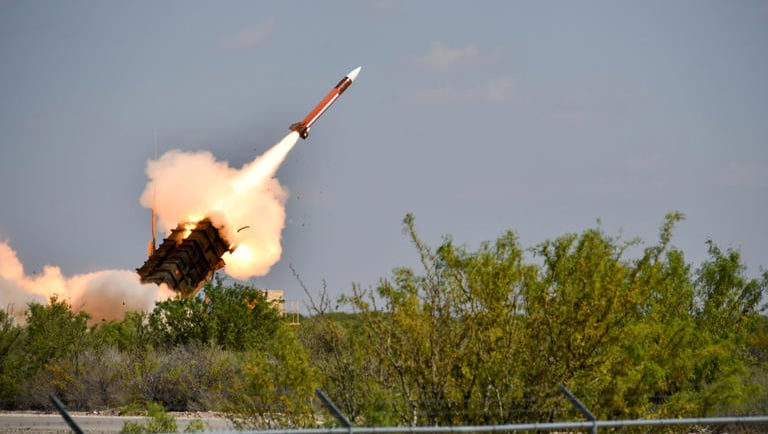
It is another day and another news of a missile strike on a military facility in Tehran. Within hours, Brent crude quickly spikes past $90 a barrel, government defense protocols are activated. Within minutes, global oil markets panic. But within seconds, the global digital algorithm shifts and your brand’s ad spend just lost 40% of its efficiency. Then, just a few days later, far away in Southwest Nigeria, you are watching the pump price at a local station cross ₦1,040 per litre.
What does a geopolitical crisis in the Middle East have to do with your local environment that is thousands of miles away? What does a missile flying into another country have to do with your brand’s digital marketing strategy? Absolutely everything. We do not operate in a vacuum. The physical world rewires the digital one in real-time, and if your brand is only looking at its analytics dashboard without watching global economies, you are not just missing the news, you are mismanaging your business.
Here is how a conflict thousands of miles away alters local consumer psychology, and exactly what brands must do to protect their positioning and retain their clients.
The Macroeconomic Domino Effect
The recent escalation involving the US, Israel, and Iran isn't just a distant geopolitical headline; it is a direct shock to local operational systems. As global energy markets panic over disrupted supply chains, the US government is already exploring measures like lifting sanctions on Russian oil just to stabilize its own domestic prices.
In emerging markets, the shockwave hits harder and faster. With local refineries adjusting their gantry prices to reflect global crude volatility, the ripple effect on everyday logistics, transportation, and diesel costs is instantaneous.
For the everyday consumer far away in a totally different setting, the psychological effect is immediate. When the cost of simply getting to work or powering a home doubles overnight, physical and financial security feel threatened. Consumer confidence drops, discretionary spending freezes, and survival instincts kick in. Your audience is no longer casually browsing for new services; they are calculating their monthly budgets and doomscrolling for updates on the economy, with the question “where are we headed today?” top of mind.
The Digital Hijack
This is where the physical conflict bleeds directly into the digital space.
The Attention Deficit: Social media platforms algorithms instantly deprioritize branded content in favor of breaking news and economic commentary. You are suddenly competing against global history and local economic anxiety for a single second of screen time. Your branded content is suddenly gasping for air, choked from all sides.
The Tone-Deaf Catastrophe: Imagine a pre-scheduled, highly polished ad for a luxury lifestyle service appearing right next to a post about skyrocketing inflation and fuel scarcity. The brand doesn't just look out of touch; it looks insensitive, causing long-term reputation damage.
The Cost of Clicks: As consumer priorities shift rapidly, marketing funnels that worked a week ago suddenly break. Marketers who aren't adjusting their operations to account for these macroeconomic realities will bleed their budgets into a void of consumer apathy.
The Strategic Pivot
You cannot control global supply chains, US defense budgets, or local fuel prices. But you can control your digital footprint and tighten your internal systems. During a crisis, the most successful brands pivot from selling to stabilizing.
Here is how to navigate the shift:
1. Read the Room (and Pause the Bots)
Pause all automated campaigns immediately. Review your scheduled content and assess the local mood before a single post goes live. In operations, agility is everything. Silence is always better than accidental insensitivity.
2. Sell Utility, Not Luxury
When economic anxiety is high, messaging must shift to highlight value, reliability, and security. Ask yourself: How does your product or service make the consumer's life safer, easier, or more financially predictable in an unpredictable economy?
3. Embrace a Human-AI Hybrid Approach
Hyper-polished, purely automated corporate speak fails during a crisis. Navigating these waters requires a human-AI hybrid approach to creative and digital marketing. You need the immense computational agility of AI to rapidly analyze shifting market data, adjust ad bids, and streamline your operations. However, you absolutely must pair it with human intuition to craft raw, empathetic, and context-aware communication. AI handles the speed and systems; humans handle the soul. This hybrid model is what keeps a brand afloat when the market turns upside down.
Digital marketing is the frontline of consumer psychology. The brands that survive and thrive through global instability are the ones that adapt quickly, streamline their systems, and lead with a deeply human empathy.
The MIM-104 Patriot system has been a key air defense system in the Middle East. US Army photo by Sgt. David Rincon